
Contributor Care: 10 Lessons from Laura Mitchell on Sustainable Charity Storytelling
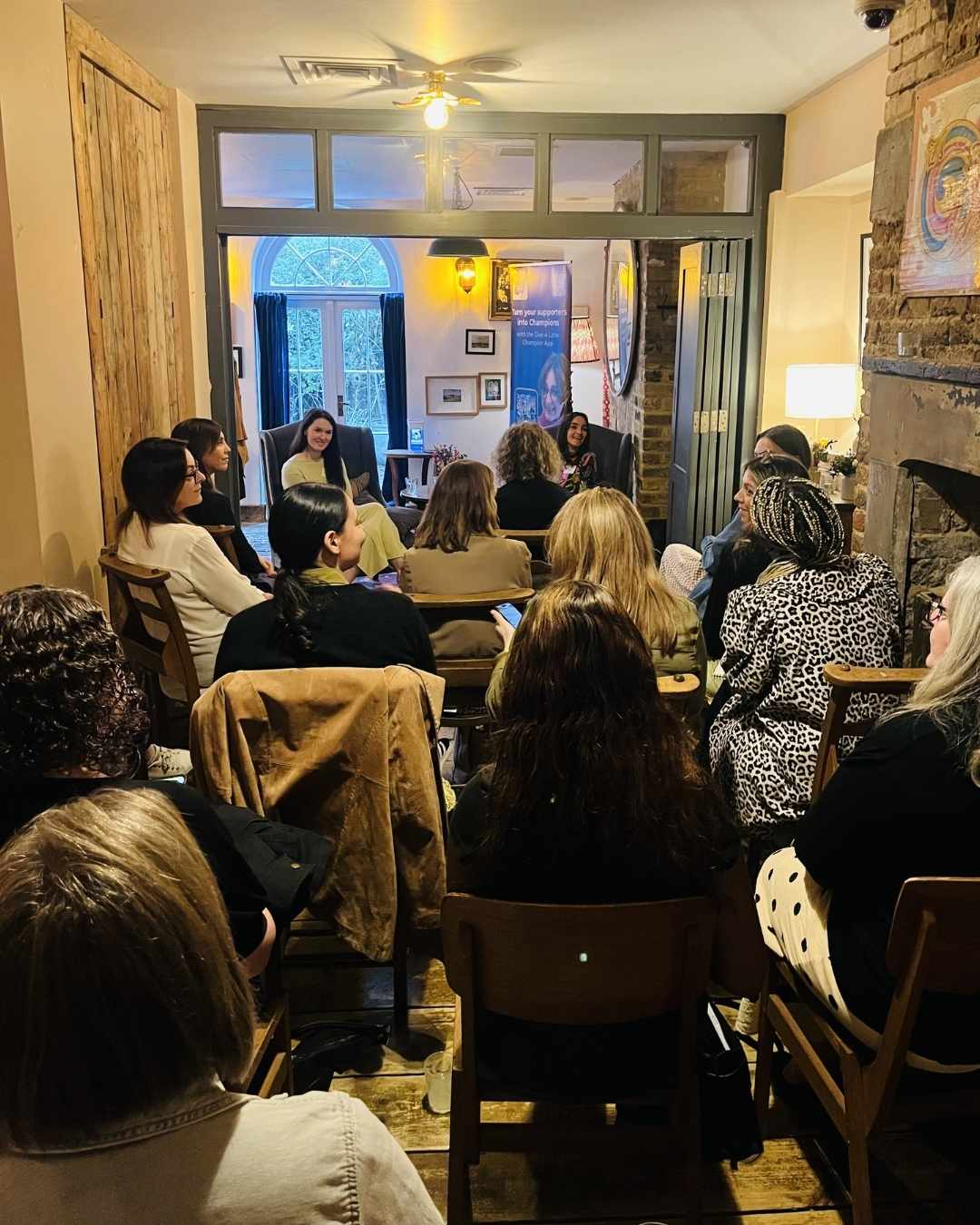
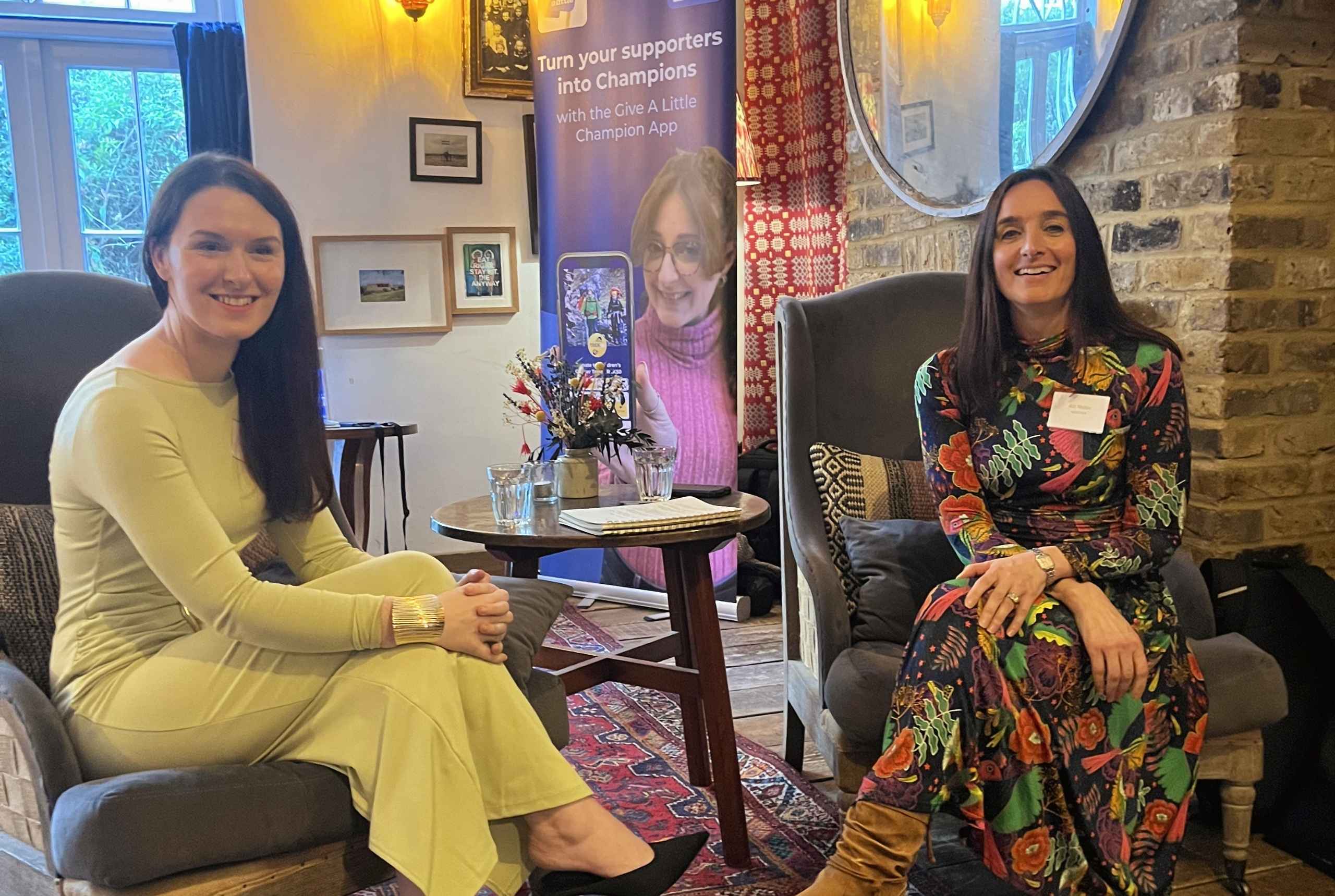
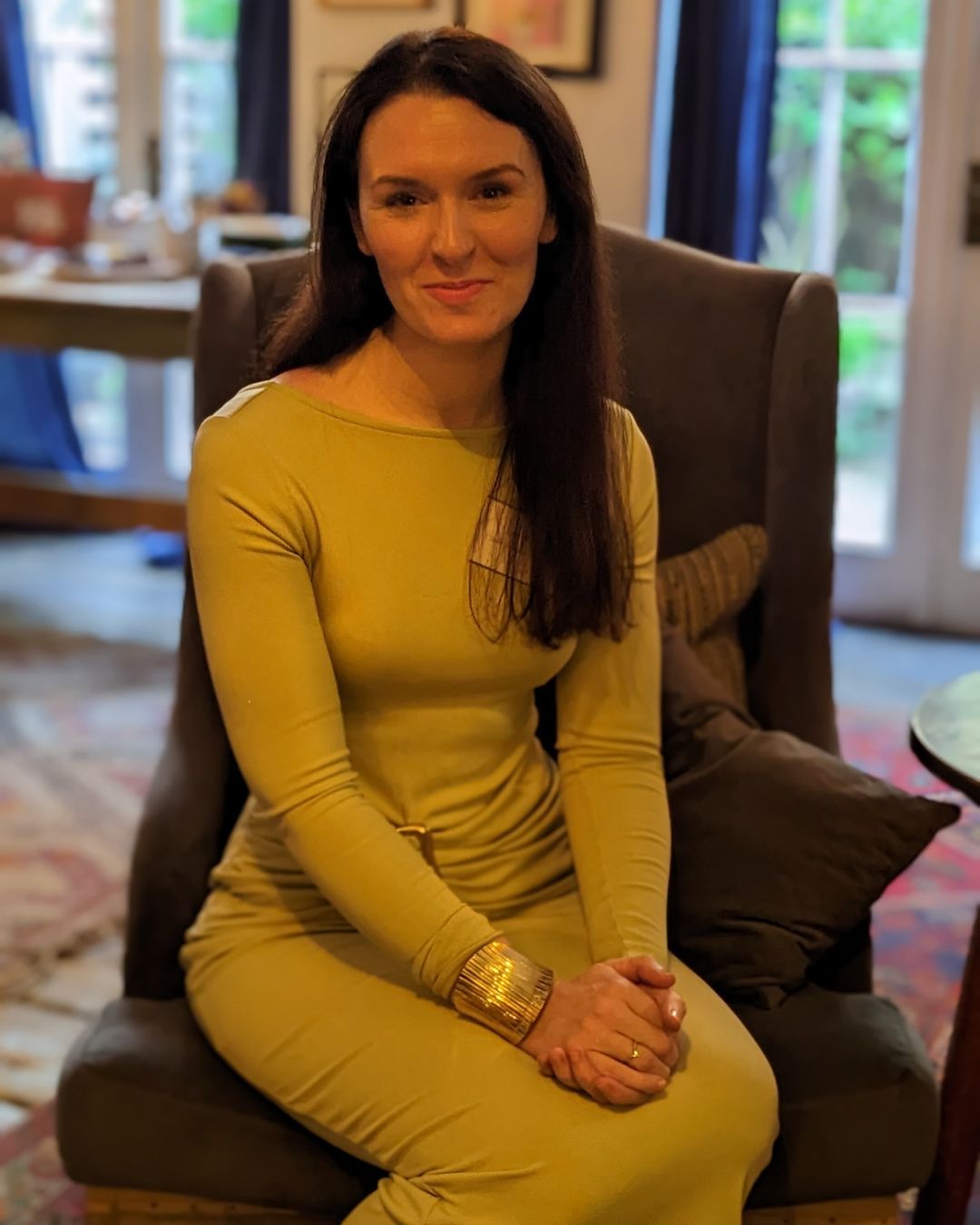
At the MOREVER Spring Meetup, Laura Mitchell, Senior Storytelling Manager at SSAFA, the Armed Forces Charity, shared a powerful framework for contributor care, and why it’s the foundation of effective, sustainable charity storytelling.
Drawing on her background in documentary filmmaking, Laura challenges the pressure-driven approach some organisations take to gathering stories, replacing it with something far more effective: trust and long-term thinking.
Here, in her words, are her key lessons on how to embed contributor care into your storytelling.
1. Contributor care starts with recognising the scale of the ask
At the heart of contributor care is understanding what you’re really asking people to do.
“What we are doing is asking people to tell us when they couldn’t feed their children, when they were in debt, when they were living under a piece of cardboard on the street, and we’re asking them to put that into the public domain.”
“If you think about how brave it is for that person to tell their story, that sets the tone of the conversation.”
Takeaway: Contributor care begins with empathy. If you don’t acknowledge the weight of what you’re asking, everything else will feel transactional.
2. Build a “triangle of trust”
Contributor care isn’t built in isolation.
“If you take ten minutes to speak to that caseworker… suddenly you’re not a separate entity.”
“You’re bringing it all together, you, the caseworker, and the beneficiary, and you create a triangle of trust.”
By connecting yourself with someone the contributor already trusts such as their caseworker or social worker, you remove the sense of ‘otherness’ and make the interaction feel more natural.
Takeaway: Strong contributor care is rooted in shared trust, not cold outreach.
3. Remove the pressure to allow for genuine consent
A key principle of contributor care is removing any sense of obligation. Laura turned our thinking on its head, outlining how she positions becoming a contributor to the veterans she’s working with at SSAFA. She shared her thought process:
“This isn’t transactional, we’ll always be there for them. We’re not saying we’ve helped you, and now you help us.”
When people feel free to say no, their yes becomes far more meaningful. So she’ll float the idea in this way:
“If you serve, you deserve, this is just an opportunity we’d like to offer.”
Takeaway: Contributor care protects choice, and leads to more authentic storytelling.
4. Be clear about how stories will be used
Uncertainty is one of the biggest barriers to participation.
“When you say ‘tell your story,’ what’s going through their mind? Are they thinking: The Daily Mail? This Morning? Something else?”
This has the potential to be terrifying to someone who has never experienced the Comms world, and could easily end up with a hard no.
“They’re not listening to the rest of the conversation, they’re stuck on that.”
Clear, early explanation of what the actual process would be is a core part of contributor care, it allows people to engage without fear.
Takeaway: Clarity can be the difference between a yes or a no.
5. Build in “safety valves” throughout the process
Contributor care means treating consent as ongoing, not a one-off moment.
“Build in a ‘safety valve.’ Give people opportunities to step back as you go along.”
They may change their mind as the process unfolds. Using phrases as you work together such as: “Does this feel okay? Is this something you want to do?” can really help with this.
It’s also worth considering adding an expiry or a re-confirmation of consent date to case studies, situations change, views of an experience change over time.
Takeaway: Contributor care is continuous, not a checkbox.
6. Slow down to do it properly
In a sector driven by deadlines, contributor care requires patience. Laura spelled out her process.
“After that conversation, I’ll write a draft, but never straight away. I sit with it… give it 24 hours, and really process the emotion.”
“I never send it to them without checking they’re… in a mental space to receive that next email… Because welfare comes first. Always.”
Takeaway: Slowing down is not inefficient, it’s essential to getting it right. Read our Noah’s Ark Children’s Hospice case study about how we do this at MOREVER.
7. Make contributor care part of an always-on approach
Rather than rushing to find stories when campaign development is kicking off, Laura advocates for a continuous model.
“Storytelling shouldn’t be something you switch on when a campaign lands. It should be constant. Always-on. So when the moment comes, you already know who’s ready, who might want to share.”
This reduces pressure on both marketing teams and contributors.
Takeaway: Contributor care is easier, and more effective, when storytelling is ongoing.
8. Build a culture of contributor care across your organisation
Contributor care isn’t just a comms responsibility. We asked Laura what she’s done to build this storytelling culture across SSAFA:
“You have to bring everyone with you. Staff, volunteers, frontline workers. They all need to believe in storytelling.”
“Communications isn’t an add-on. It’s the beating heart of what we do.”
Takeaway: Sustainable contributor care depends on organisation-wide belief.
9. Prioritise welfare at every stage
Contributor care shows up in the small, consistent actions:
“I check in at every stage… after they’ve had the interview with me, I ring them the next day.”
“They trust that I will say what I will… I’m going to check on them.”
“I give them quite a lot of editorial control… it becomes collaborative.”
Takeaway: Contributor care is built through visible, consistent support.
10. Trust that the right stories will come
Finally, contributor care requires confidence, and restraint.
“There is so much pressure to get stories… but it’s almost having the confidence to take a beat. It will come. They will do it. If you rush it, you risk losing the person, and that’s far worse than missing a deadline.”
Takeaway: The best storytelling comes from patience, not pressure.
Final thought
Contributor care isn’t just a “nice to have” in charity storytelling.
It’s the foundation of trust, the driver of better stories, and the key to building a sustainable, always-on approach that works for both organisations and the people at the heart of their work, whether you call them contributors, beneficiaries, case studies, or something else entirely.
Ultimately, contributor care is about more than process. It’s about respect, collaboration, and creating the conditions where people feel safe, understood, and genuinely willing to share, on their own terms.
We explore topics like this at our MOREVER Meetups, bringing together senior women across charity comms, fundraising and marketing to share ideas and experiences.
You can join the Meetup community to hear about future events.
And if you're about to embark on developing a campaign incorporating contributors, we're always happy to have a conversation on how to approach this.